Key Takeaway Potty training runs on routine, not punishment: take your puppy out every 30-60 minutes at 8-10 weeks (roughly one hour per month of age, plus one), always to the same spot, reward within two seconds of finishing, and clean accidents with an enzymatic cleaner. Most puppies are reliable by 4-6 months.
Potty training is one of the first big jobs you will do with a new puppy. It is not hard, but it takes patience and a steady routine. Most puppies need a few weeks to a few months to get it right.
Here is the good news: puppies do not like to be dirty. Your job is simple. Show them where to go, take them there often enough, and reward them the moment they get it right.
This guide walks you through how to potty train a puppy step by step, using plain language and a routine you can start today. Want to know how to potty train a puppy fast? The answer is almost always the same. More trips outside, better timing, and no punishment.
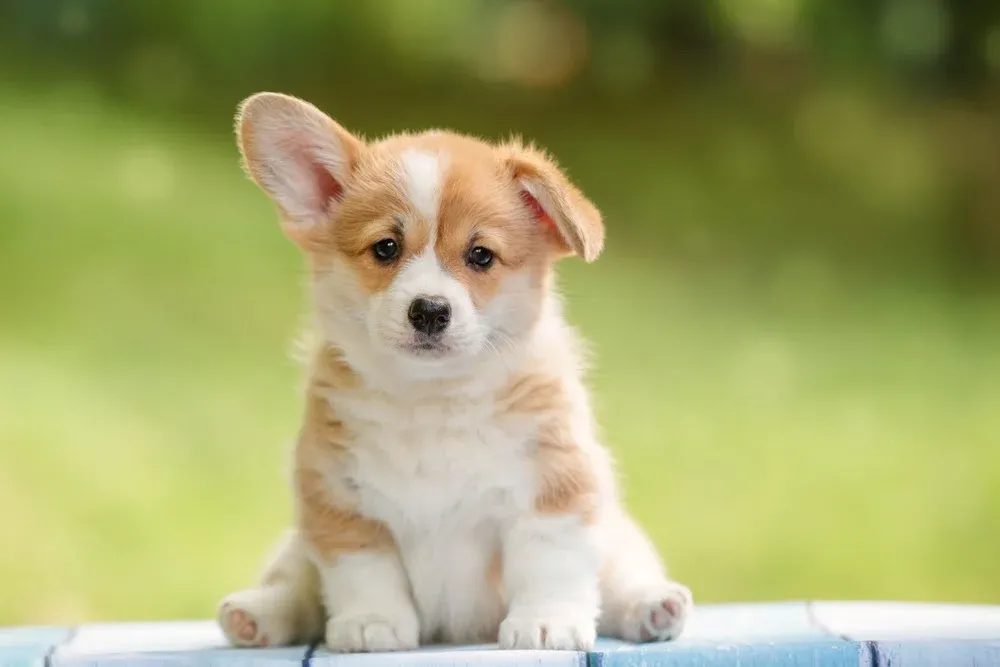
How Long Does It Take to Potty Train a Puppy?
Every puppy is different, but age is the biggest factor. A young puppy simply cannot hold it for long.
| Puppy’s Age | Bladder Control | How Often to Take Them Out |
|---|---|---|
| 8-10 weeks | Very little | Every 30-60 minutes |
| 3 months | About 3 hours | Every 2-3 hours |
| 4 months | About 4 hours | Every 3-4 hours |
| 6 months and up | 5-6 hours | Every 4-6 hours |
Use this simple rule: a puppy can hold it for one hour per month of age, plus one. So a 3-month-old puppy can manage about 4 hours. That is the limit, not the goal.
Expect accidents until around 4-6 months. Small breeds often take longer than large breeds.
How Often Should I Take My Puppy Out?
More trips mean fewer accidents. If you are unsure, take your puppy out one extra time. That is also how to potty train a puppy fast: more trips out, fewer chances to fail indoors.
Step 1: Build a Puppy Potty Training Schedule
Puppies learn patterns faster than they learn commands. Take your puppy out at the same times every day:
| Time | Why It Works |
|---|---|
| First thing in the morning | The bladder is full after sleep |
| 15-30 minutes after each meal | Food moves through digestion quickly |
| After every nap | Puppies often need to go when they wake up |
| After play or training | Excitement triggers the urge |
| Every 1-2 hours during the day | Stops accidents before they happen |
| Right before bed | Empties the bladder for the night |
Write the schedule down and stick to it. A routine does most of the work for you.
Step 2: Always Use the Same Spot
Pick one small area outside, close to your door. Take your puppy there on a leash every single time.
- Use a cue word. Say “go potty” in a calm voice while they sniff around.
- Wait 5-10 minutes. Do not play or chat. Let them focus.
- Return to the same spot. The leftover smell tells them what this place is for.
If nothing happens, go back inside and watch your puppy closely. Try again in 10-15 minutes.
Step 3: Watch Your Puppy Closely
Most accidents happen because nobody saw the warning signs. Learn to spot these early hints:
- Sniffing the floor while walking in circles
- Suddenly walking away from you
- Stopping in the middle of play
- Whining or pacing near the door
The moment you see any of these, pick your puppy up and carry them outside. Then praise them as soon as they finish.
Step 4: Reward Within Two Seconds
Timing matters more than the treat itself. Your puppy connects the reward to whatever they were doing at that exact moment.
- Hand over the treat immediately after they finish, while still outside.
- Add calm praise: “Good potty!”
- Use a small, soft treat they can swallow in one bite.
Zuke’s Mini Naturals and Wellness Soft Puppy Bites both work well. Keep a few in your pocket before you head out the door.
Step 5: What to Do When Your Puppy Pees in the House
Accidents will happen. How you react decides how quickly training goes.
Do not:
- Yell, spank, or push your puppy’s nose into the mess
- Show them the accident after the fact
- Use the crate as punishment
Do:
- Clean it up right away with an enzymatic cleaner such as Nature’s Miracle or Rocco & Roxie. Regular soap leaves behind a scent that says “this is my bathroom.”
- Take your puppy outside straight after cleaning.
- Add extra trips outside and closer supervision for the next few days.
Punishment only teaches one thing: do not pee in front of you. Your puppy will simply hide behind the sofa next time.
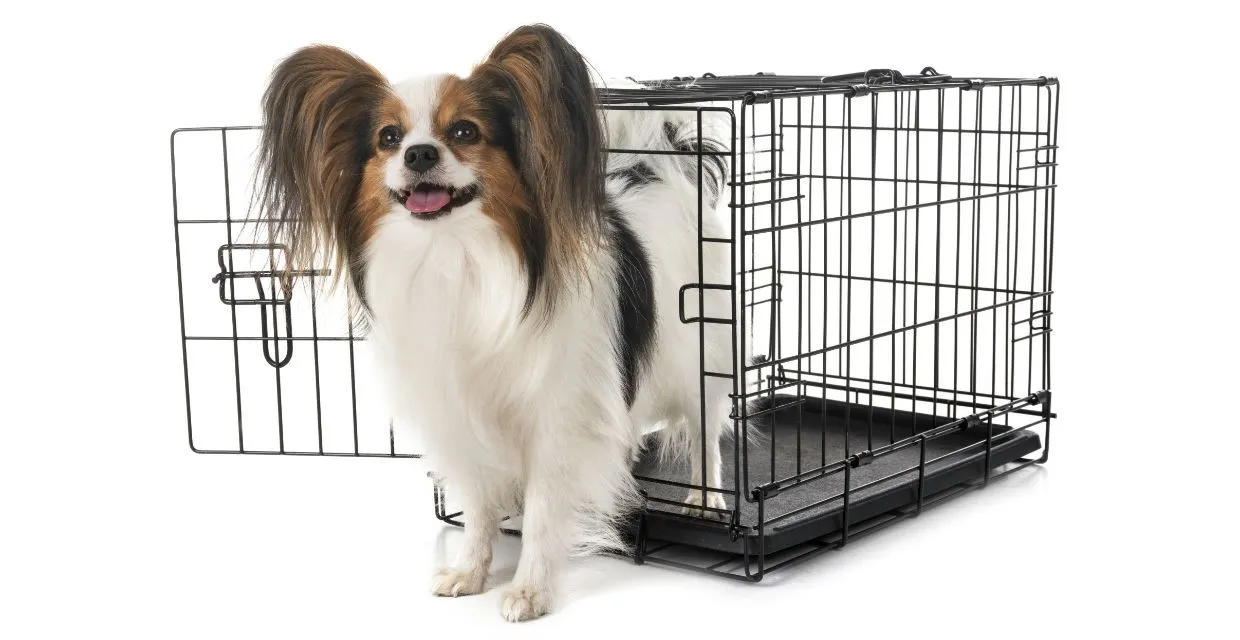
Step 6: Crate Training a Puppy the Right Way
Crates work because dogs do not like to soil their sleeping area. But the crate has to be the right size.
| Crate Rule | Why It Matters |
|---|---|
| Big enough to stand, turn, and lie down | A crate that is too big lets one corner become a bathroom |
| No food or water bowls inside | Helps prevent overnight accidents |
| Short stretches only at first | Young puppies cannot hold it for long |
| Potty first, then crate | Stops accidents the moment they go in |
Never leave a young puppy crated longer than their age allows. A crate is a nap spot, not a place to spend the whole day.
Potty Training a Puppy at Night
Nights are the hardest part at first. Try this routine:
- Stop water about 2 hours before bed.
- Take your puppy out right before bedtime.
- Set one alarm during the night. Leash on, no play, straight back to bed.
- Keep the room dark and boring.
Most puppies sleep through the night by 4-5 months.
Common Potty Training Mistakes to Avoid
| Mistake | Better Approach |
|---|---|
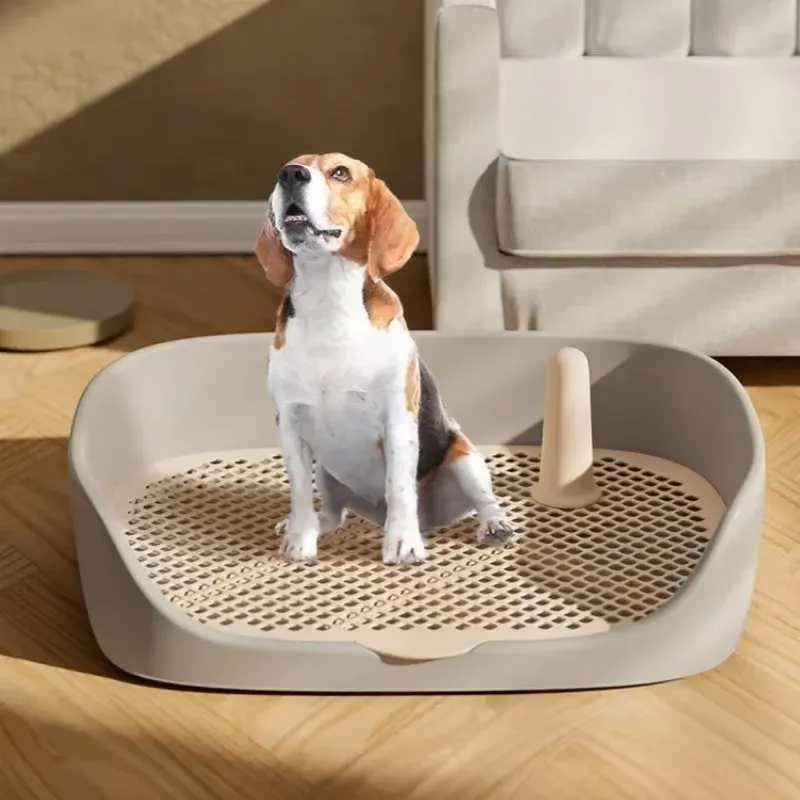
| Using pee pads for months | They teach “pee inside.” Move outside as soon as you can. |
| Free-feeding all day | Set meal times so you can predict potty times. |
| Giving too much freedom | Use a gate or leash until training is solid. |
| Scolding after the fact | Reward good behavior. Never punish old news. |
| Cleaning with normal soap | Use an enzymatic cleaner instead. |
When to Call Your Vet
Talk to your vet if your puppy:
- Pees very often in tiny amounts
- Strains or cries while peeing
- Has blood in the urine
- Still has accidents after 6-7 months
- Suddenly loses progress for no clear reason
These can be signs of a urinary tract infection or another health problem.
A Simple Shopping List
You do not need much to get started.
| Item | What to Look For | Example Brands |
|---|---|---|
| Enzymatic cleaner | Fully removes pet odor | Nature’s Miracle, Rocco & Roxie |
| Crate | Sized for full adult weight | MidWest iCrate |
| Training treats | Small, soft, one bite | Zuke’s Mini Naturals |
| Pet gate | For blocking off rooms | Regalo |
| Leash | 4-6 feet, easy to hold | Any standard leash |
Frequently Asked Questions
How long does it take to potty train a puppy?
Most puppies need 4 to 6 months to be fully reliable. Some pick up the basics in a few weeks, but plan on accidents until around 6 months.
How often should I take my puppy out?
Every 30-60 minutes at 8-10 weeks old, then every 2-3 hours by 3 months. Always add trips after meals, naps, and play.
Should I use pee pads?
Pee pads can help during the first weeks, but using them too long teaches your puppy to pee indoors. Switch to outside as soon as possible.
At what age can you potty train a puppy?
You can start potty training a puppy at 8 weeks, the day they come home. Young puppies cannot hold their bladder for long, so early training is about building a routine rather than expecting zero accidents.
Should I wake my puppy up at night to pee?
Yes, at first. Set one alarm during the night for puppies under 4 months old. Keep it boring: leash on, no play, straight back to bed. Most puppies can sleep through the night by 4-5 months.
Why is my puppy peeing in the house again?
Regression is normal during teething, growth spurts, or changes in routine. Go back to the basic schedule for a week or two and it usually settles.